Phone:
(701)814-6992
Physical address:
6296 Donnelly Plaza
Ratkeville, Bahamas.

Phone:
(701)814-6992
Physical address:
6296 Donnelly Plaza
Ratkeville, Bahamas.
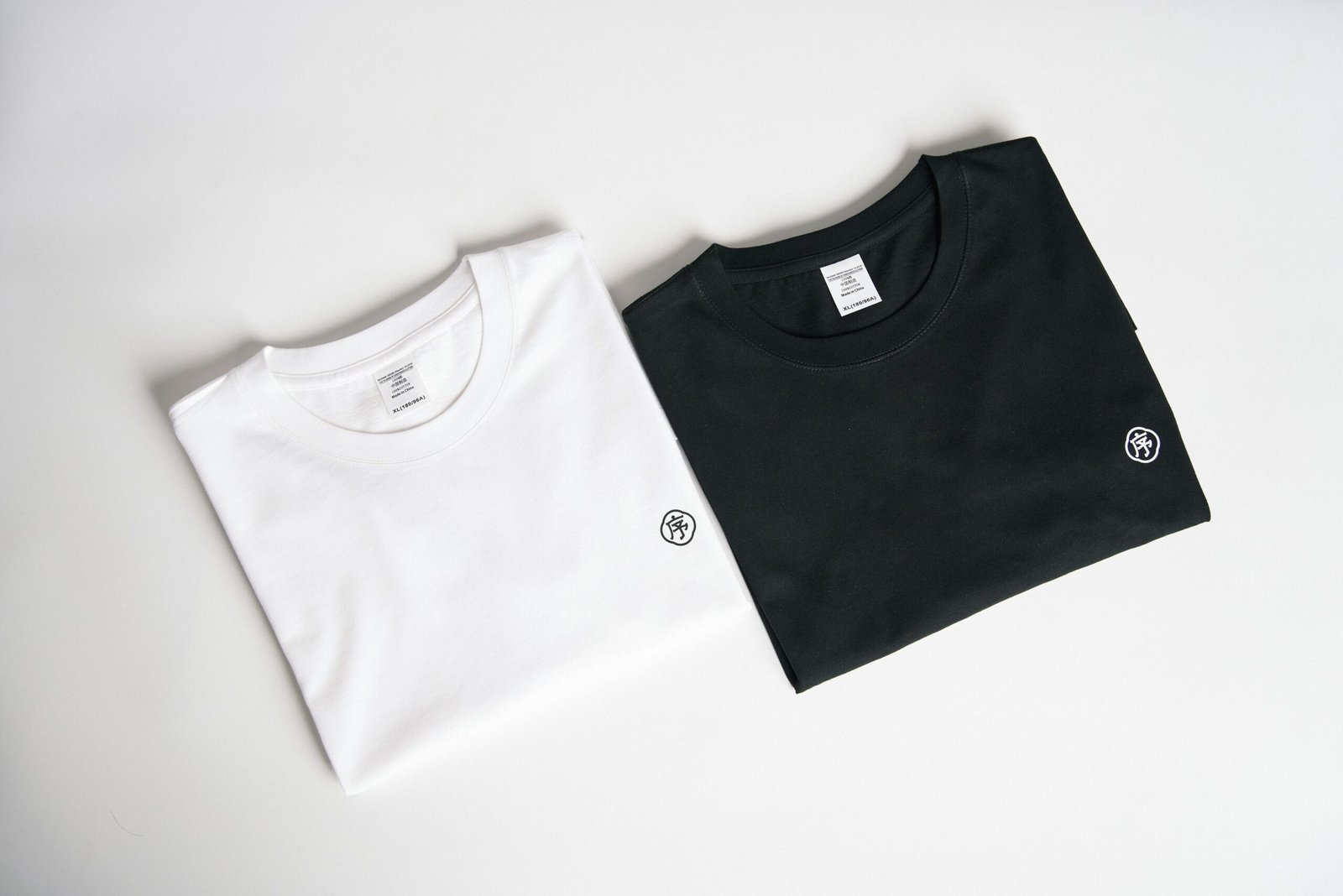
When choosing fabrics for sportswear, teamwear, or corporate uniforms, one common question is: moisture wicking vs cotton — which is better?
Both fabrics have their advantages, but the right choice depends on how and where the apparel will be used. In this guide, we compare moisture wicking fabrics and cotton in terms of performance, comfort, and real-world applications.
Moisture wicking fabric is designed to pull sweat away from the skin and allow it to evaporate quickly. It is commonly made from polyester or performance blends.
Learn more in our guide:
What Is Moisture Wicking Fabric
Cotton is a natural fiber known for its softness and comfort. It is widely used in casual wear and basic apparel.
However, cotton absorbs moisture instead of releasing it, which can make it less suitable for high-performance use.
| Feature | Moisture Wicking Fabric | Cotton |
|---|---|---|
| Sweat Handling | Wicks moisture away | Absorbs sweat |
| Drying Speed | Fast | Slow |
| Breathability | High | Medium |
| Best Use | Sportswear / Teamwear | Casual wear |
For performance apparel, explore our
quick dry t-shirt solutions
Choose moisture wicking fabric if you need:
Choose cotton if you need:
Cotton is usually cheaper for small orders, but for bulk orders, moisture wicking fabrics offer better long-term value due to durability and performance.
For bulk projects, check our
custom teamwear and uniform solutions
Both moisture wicking fabric and cotton have their place in apparel production.
However, for sportswear, teamwear, and uniforms — especially in warm or active environments — moisture wicking fabric is often the better choice.
Not sure which fabric is right for your project?
We help businesses choose the best materials based on usage, climate, and budget.
👉 Get a fast quote and professional advice today